What Questions Should You Ask Your Customers If They Have Problems Paying By Card?
The most common and the most irritating error message when you accept credit card payments in your online business: “Transaction rejected by credit card company”.
The most common and the most irritating error message when you accept credit card payments in your online business: “Transaction rejected by credit card company”.
Choosing the best payment provider is crucial for your online business. That’s the partner thanks to whom you will be able to earn money.
Recently we’ve published new great presentation on slideshare. I really hope you’ll like it.
I feel awesome today. This will be my second super good news in the last couple of days. First, there was the new payment method that can improve your sales all over Europe and now this… brand new PayLane’s API.
Oh man, I have such great news for you today. I’m so so proud to announce that right now (yeah, even now) we are able to help you with improving your sales in Europe.
Famously, nodding your head in Bulgaria means “no”, while shaking means “yes”. Well, one man’s meat is another man’s poison. But there are different patterns in the ways people pay online as well – make sure you are ready to handle all of them!
In our office there are shelves. On the shelves there are boxes. In the boxes there are files. In the files there are documents. An in the documents there is everything. We are genuinely interested in everything, that’s why we ask for these documents. However, there are good reasons for this.

Smartphone or tablets are not only practical devices that make our life easier. You can stay online for (almost) a whole day, check the route to any destination, measure time and distance you run etc. But mobile device let us also buy wherever we are. Imagine what opportunities they give to your business!

When you’re planning to open up an online store, sooner or later you will have to decide on a payment solution. This doesn’t just mean choosing payment methods to help your business grow by letting various customers from all over the world buy, but it also means choosing the right way to integrate.
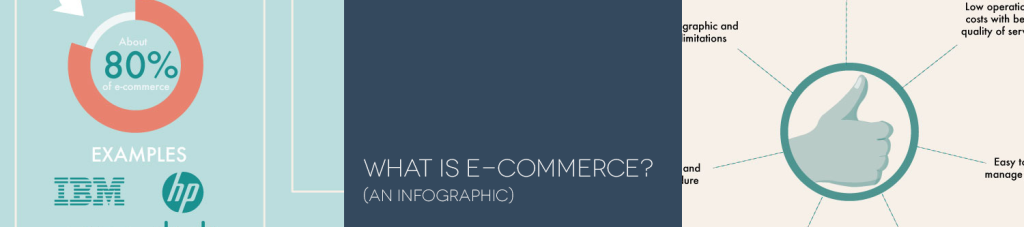
To ease into the weekend and let your minds breathe, we have a wonderful infographic by Miva Merchant. Most “normal” people have an idea of what e-commerce is and what it does, but what is it REALLY capable of? Read statistics and definitions that will explain (with great design, of course) exactly what goes into e-commerce.